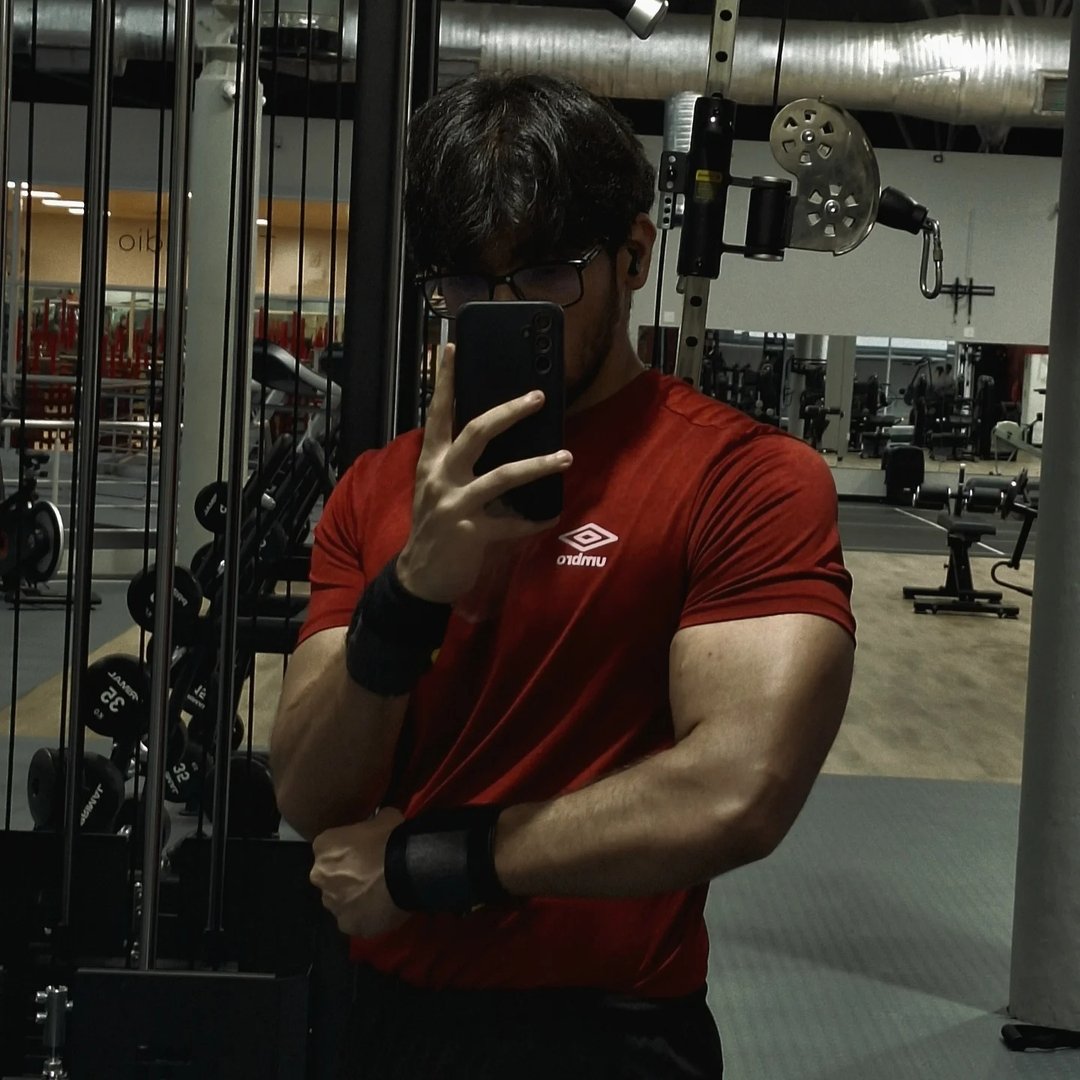
GymGeek asked it’s Instagram followers what topic they wanted us to write about and this week, we’ve chosen @thenotorious_73’s request.
This follower wanted help deciding which training style and body build to go for: Aesthetic, Powerlifting or Athletic?
If you’re social media feeds have been flooded with fitness content, it can be overwhelming to pick one training style as each person’s can differ lots from another’s.
In this article, we outline these 3 training styles: What their routines look like, the benefits they can give you, the drawbacks they bring on and how to assess whether they fit your lifestyle outside of gym.
Let’s jump in:
POWERLIFTING
 The Focus
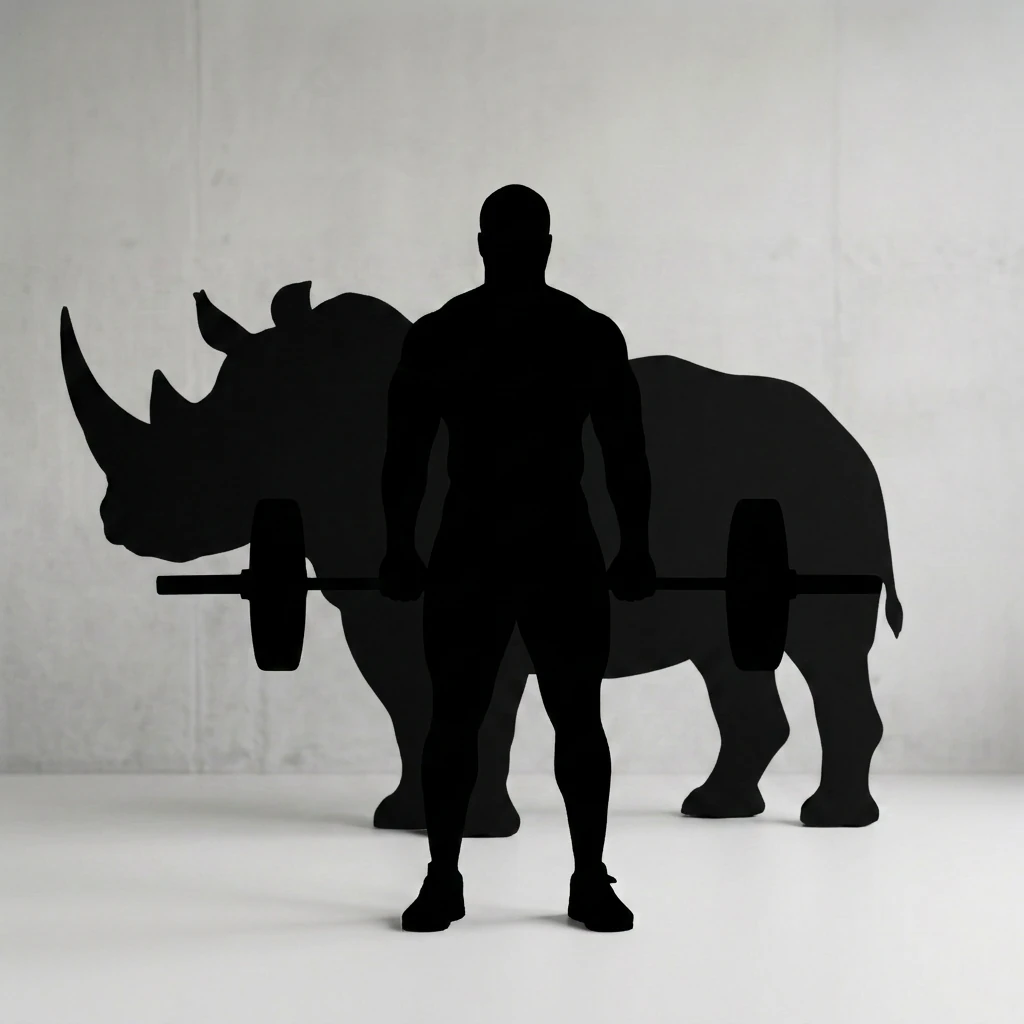
Powerlifting focuses on purely building strength over time.
Powerlifters’ main goal is maximize the weights they push through ‘progressive overload’ - gradually adding weight over time.
Their rep ranges are significantly lower than other training styles (between 3-5 reps) and their rest times between sets are much longer (3-5 minutes).
Most programs focus on the Big 3 Compound movements: Deadlift, Bench Press and Squat, complementing them with accessory movements that will assist in building muscles that will help them push more weight.
I searched the internet for powerlifting workout routines, but I found that they all differ greatly, so it’s difficult to pinpoint the ideal powerlifting routine. However all of them have the Big 3 lifts included. Here’s a sample of what the rep ranges for the Big 3 would look like:
| Exercise | Sets | Reps | RPE (Rate of Percieved Exertion) |
|---|---|---|---|
| Competition Squat | 3 | 5 reps | 8/10 |
| Competition Bench | 3 | 5 reps | 8/10 |
| Competetion Deadlift | 3 | 4 reps | 8/10 |
Each of these exercises would either be done on their own separate days with accessrory movements or in combination of one or more on a single day (for example, some powerlifters do squat and bench in the same session).
Benefits VS Drawbacks
| Benefits | Drawbacks |
|---|---|
| Significant increase in strength over time | Higher risk to joint health (knees, elbows, shoulders) |
| Possible to achieve strong physique | Physique may be bulky due to calorie surplus |
| Longer rest times so strength is maximized | Longer gym sessions because of long rest times |
| Flexible diet routine | You’ll spend a lot of Mandela’s on gym equipment: lifting straps, wrist wraps, knee/elbow sleeves, lifting belt etc. |
| Often limited cardio capacity | |
| Reduced training volume may limit muscle hypertrophy |
The Lifestyle:
- A calorie surplus is essential to keep strength growing - often eating until you’re uncomfortably full.
- Recovery is essential for maximal strength: sleep and nutrition.
- Intentionally limiting cardio to maintain leg strength.
- Some powerlifters ‘dirty bulk’ - this means eating junk food because it’s calorie-dense. A healthy bulk is still possible to minimize fat gain.
- You may need to do more stretching, foam rolling or even physiotherapy to keep up with recovering from the physical strain.
If you’re main goal is to become an absolute beast and be strong as hell, powerlifting is the way to go. However, understand that there are serious health heart and joint health implications that come with Powerlifting.
Athletic training
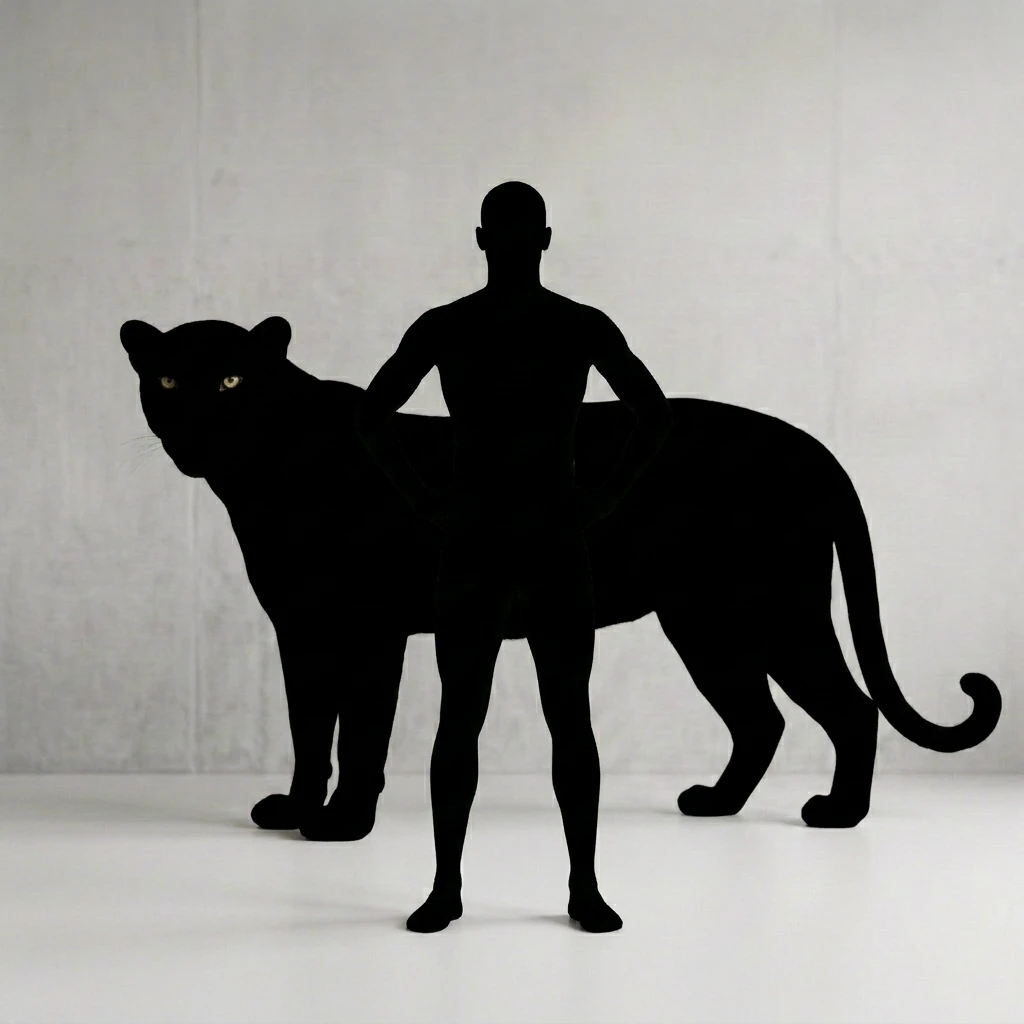 Athletic training goes beyond building muscle and strength.
It’s actually meant to make your body a more useful tool in sports outside of gym like soccer, olympics or martial arts, for example.
Athletic Training aims to cover 5 core Pillars:
- Strength: Athletes will use equipment like dumbbells, kettlebells or barbells and aims to target the 3 stages of muscle contractions.
- Isometric Contraction: When the muscle isn’t stretching or contracting, but still being used (planks or wall sit).
- Eccentric Contraction: When the muscle is being stretched during the movement.
- Concentric Contraction: When the muscle is shortened (standing up during a squat).
-
Power: Producing as much force as possible in the shortest amount of time. These involve explosive movments lile sprinting, jumping or throwing. Athletes will lift manageable weight fast and explosively.
- Speed: Moving the body or an object quick. It relies heavily on strength and power and consists of three phases:
- Acceleration Phase: Increasing speed as quick as possible (sprints).
- Maximum Velocity Phase: When the athlete reaches top speed - you maintain this top speed (not going faster or slower).
- Maintenance Phase: Keeping the pace of your top speed while trying to not to slow down.
- Agility: Reacting to something by moving the body quickly and changing direction - chasing a ball, dodging a right hook.
- Training agility means training your Change of Direction (COD) through drills.
- It also involves reactive training where you respond to an external stimulus (coaches wistle, boxing, sparring).
- Endurance: How your muscle manage during prolonged activity (supplying energy and oxygen). Training endurance depends on the sport. For example, a runner will train repeated sprint intervals.
It’s extremely difficult to narrow down athletic training to a proper workout routine as athletic routines target individual sports. But here are some examples of gym exercises that you can expect to do to target the 5 Pillars:
| Pillar | Exercise |
|---|---|
| Strength | Squats, Deadlifts, RDLs, Bench Press, Rows, Pullups/Lat Pulldowns |
| Power | Jump Squats, Box Jumps, Medicine Ball Slams, Kettlebell Swings, Power Cleans |
| Speed | Sled Pushes, Sprint Intervals/Treadmill Sprints, Assault Bike Sprints |
| Agility & COD | Ladder Drills, Cone Drills, Lateral/ Skater Jumps |
| Endurance | Row Machine, Assault Bike, Treadmill Running, Battle Ropes, Sled Pushes |
As you can see, there’s a lot of cardio involved. While this is great for your heart, it does have some drawbacks compared to normal gym routines:
| Benefits | Drawbacks |
|---|---|
| Enhances sport-tailored performance | Higher risk of injury and joint overuse |
| Improves overall muscle endurance | Less muscle growth as training to failure is avoided |
| Excellent cardiovascular/heart health | Physically/Mentally demanding workouts |
| Can get a very lean physique | Limited amount of gains |
| High functional body and muscles | Limit on how much strength you can gain |
The Lifestyle:
- Your body is your top tool, so you’ll need to take care of it
- High-calorie, high-carb diet plans and intentionally eating your meals at a certain time so they fuel your intesne workouts.
- Recovery is key: adequate sleep, hot and cold therapy (sauna and ice baths) and foam rolling/massage therapy.
- Expect early nights and mornings: skipping late social events to get 8 - 9 hours of sleep and waking up early for sessions (not necessary, but the grind mindset comes with the territory).
But you should know, you can still adopt an athletic training style while keeping a normal daily routine. The most changes you will take on is how mindful you are about your diet (more clean and nutritious carbs) and recovery.
If you’re using this training style to optimize your body for a sport outside of gym, it’s perfect. But, if you’re looking to gain muscle and/or strength, it’s not ideal for getting you the results you want.
BODYBUILDING
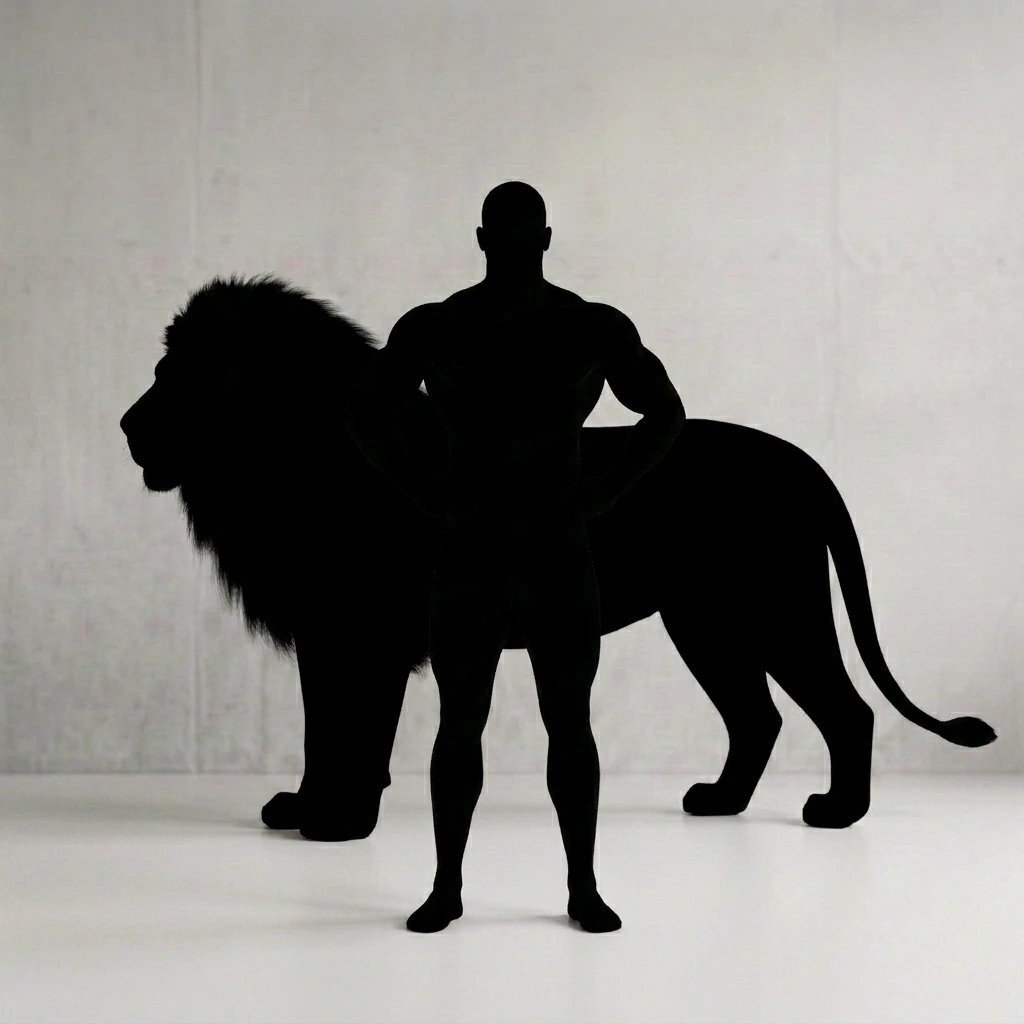 Bodybuilding focuses on getting your muscles to grow by targetting them specifically and achieving a growth stimulus.
Bodybuilders focus on technique over power. Specific exercises may be favored over others because they target the target more effectively. For example, a bodybuilder may prefer cable chest flies instead of dumbbell flies because it gives more consistent tension and limits shoulder work.
In this training style, gymers are more mindful about growing body parts in proportion, producing metabolic stress (a pump) or maximizing their aesthetics by targeting specific muscles. For example, a lot of bodybuilders put more emphasis into training the upper chest (incline presses/flies) over the lower chest (standard or decline presses/flies). For a full deep dive into aesthetic training, check out my article.
Bodybuilders rely on ‘progressive overload’ as a way to measure their growth and keep growing.
2 Ways To Progressive Overload:
- Add Reps Over Time: This means doing more reps over time (if you failed at 7 reps this week, go for 8 or 9 reps next week and so on).
- Add Weight Over Time: This means increasing the weight you push gradually so that your muscles have something new to adapt to.
| Benefits | Drawbacks |
|---|---|
| Impressive and strong-looking physique | Functional strength can be limited |
| Less chance of muscle injury due to focus on technique | Also a higher chance of joint injury due to lack of mobility training |
| Increased muscle growth | Frequent change in diet patterns (bulking then cutting and cycle repeats) |
| Possible to gain strength through progressive overload | Often slower strength gain than powerlifters |
| Calculated training leads to more reliable results | Can get bogged down with science-based tracking methods |
The Lifstyle
Bodybuilders can get super science-y about their training by timing tempo, tracking training volume and weight progression over time, and even tracking macros (carbs, fats, proteins, even sodium intake) they consume to the gram. However, this is only in the case of professional and competing bodybuilders (like C-Bum or Ramon Dino). It’s completely possible to factor in foods you love into your diet while maintaining a caloric goal.
If you’re an average ou like me, all you need is a couple sets to failure per exercise and making sure you’re eating enough protein (check out my protein calculator).
HELPING YOU FIND YOUR PATH
Lemme break it down for you, hopefully this helps you make a decision on what style you should do:
| Choose: | If you: |
|---|---|
| POWERLIFTING | Want significant gains in strength. Don’t mind being in a caloric surplus for a long time (gain weight). Understand you probably won’t have an aesthetic physique, but will get a strong body. Want the most flexibility with diet. |
| ATHLETICS | Have commitments to sports outside of gym. Want to prioritize cardiovascular + mobility health. Understand that you will look lean and athletic, but probably won’t have big gains. Are not scared of eating lots of carbs. |
| BODYBUILDING | Want an aesthetic physique and the most possible muscle gains. Don’t mind cycling between cutting + bulking. Are currently cutting or going through a body-recomp phase. Are okay with having somewhat limited diet flexibility and making more mindful decisions about the foods you eat. Understand that strength comes gradually and bodybuilding requires some calculated decisions (carb timing, calorie and macro tracking and progressive overload methods) |
A final word my brus:
While these styles have dedicated techniques, there’s no reason you can’t mix-and-match. I mostly follow a bodybuilding style of training but include some strength/powerlifting exercises (Squats, RDLs) and athletic/mobility exercises too (skipping, lunges).
A powerlifter can still do cable curls/pushdowns, an athlete can still do squats and bench press.
The most important part is that you’re not frequently changing your training style and enjoy your training as this will keep you consistent.