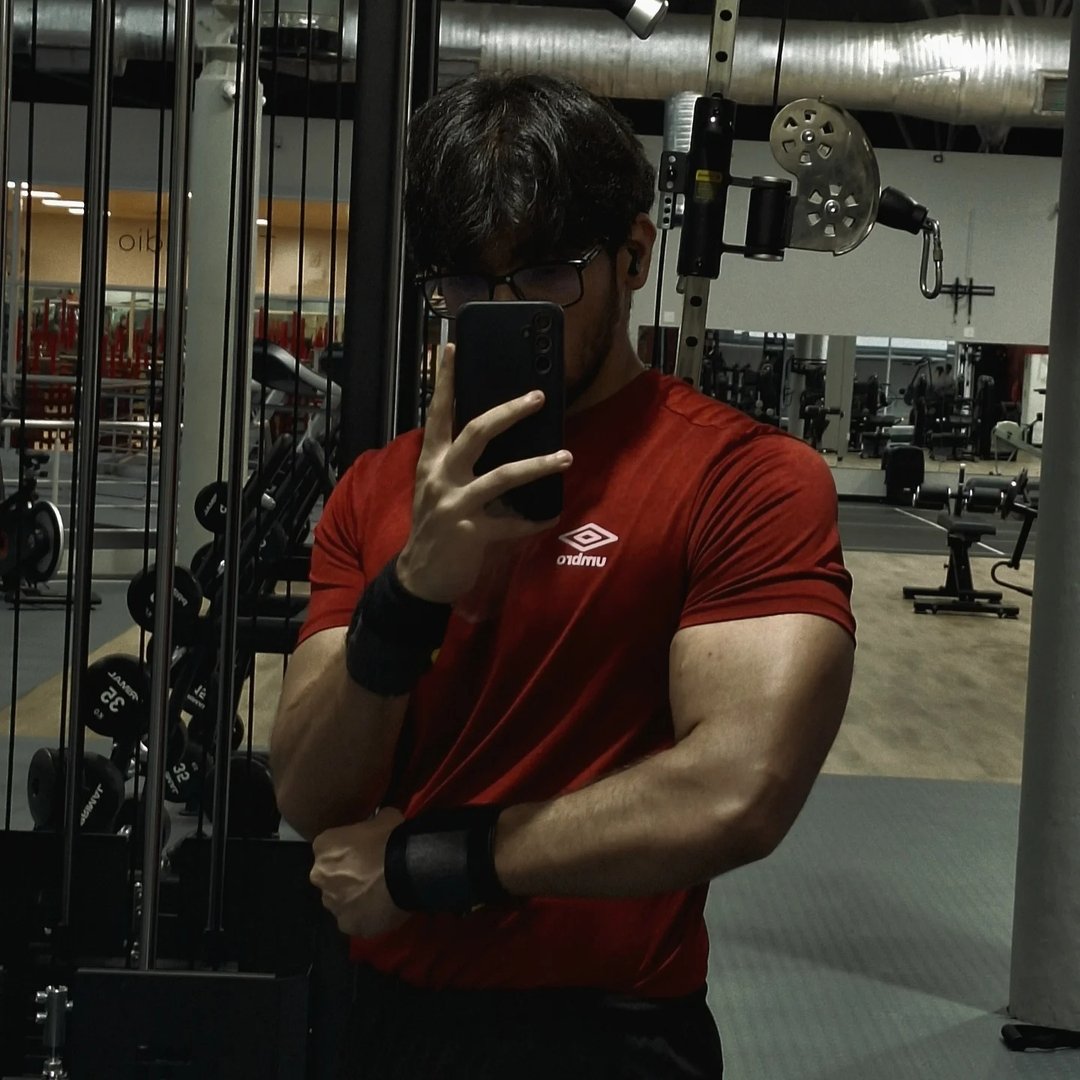
Ever feel sluggish, tired or fatigued during a workout? Perhaps you noticed that you’re not lifting as much weight as you did the week before. Here are 5 things I have in place before hitting my next session.
1. Pre-Gym Meal Timing
Going into the gym hungry leaves you with no fuel in the tank. At the same time, doing a workout after having just eaten is just as detrimental to your strength. The best way to strike the perfect balance between the two is timing your meals.
After eating your meal, blood moves to your digestive tract to aid in digestion. Now, add in working muscles while digestion is taking place - blood shifts away from your digestive tract and towards your working muscles. This can lead to a whole bunch of issues, such as nausea, cramping, bloating and acid reflux (indigestion). Your body is trying to support muscles under distress and food in the belly at the same - this confusion is what makes you say, “Bru, I’m just not feeling it today.”
At the same time, if the last meal was 4 or 6 hours ago, your muscles have no resources to use during the lift, causing you to fatigue quickly.
A good rule of thumb is to eat your pre-gym meal at least 2 hours before your lift. This gives your body enough time to digest the meal and use it for fuel during the lift.
2. 60-30-10 Rule (Pre-Gym Meal Macros Ratio)
It’s equally important to make sure you’re getting the right amount of Carbs, Proteins and Fats in your pre-gym meal.
A rule that I try to follow is something I call the 60-30-10 Rule. This means that I will try to have the following ratios on my plate for my pre-gym meal:
- 60% Carbs -> This is where your energy will come from.
- 30% Protein -> To support your muscles
- 10% Fat -> Ensures that you have a steady release of energy from the carbs (meaning, your energy won’t spike and crash).
To help you picture this:
- Majority of my plate would be a carb (white rice or cooked potatoes)
- My protein source would be half the amount of carbs (I usually go for chicken breast, lean steak or canned tuna - beef and other fatty meats are harder to digest)
- The remainder of the plate would be a healthy fat (avocado, feta cheese, a knob of butter or a drizzle of olive oil).
It’s good to note that if you’re already cooking your protein in olive oil or butter, you don’t have to add more fats on top of that.
3. Start With Your Compound Exercise and PR Set
The start of your workout is when your muscles will be the freshest and strongest. You haven’t used up any energy yet and fatigue hasn’t started to creep in. If you’re shooting for a PR, I recommend that you first do a couple warm-up sets for your compound exercise, then jump straight into your PR weight in your first working set. A compound exercise is any big movement that uses multiple muscles such as Squats, Deadlift, Bench Press or Pull Ups. After that, drop the weight slightly to crank out more reps for the rest of your next sets.
Here’s how I tackle it on a Leg Day:
- My PR for Squats is 110kg for 4 reps
- My first warm up will be 60kg for 10 reps.
- My second warm up will be 80kg for 6 reps.
- My first working set will be 110kg for as many reps as I can.
- I’ll then drop the weight slightly and do more reps for my next 3 working sets.
This is just an example of my warmups. Warm up according to your capacity and make sure you’re not fatiguing yourself before your working sets. Think of it as making mash - the potatoes have to be warm before you smash them.
4. Do Cardio AFTER Your Weight Training
I often see gymgoers do a full-on cardio session before starting their weight training. They work up a huge sweat and go into their lift huffing and puffing.
This is the biggest mistake you can make if your goal is to build muscle and strength for a couple reasons:
- You’re burning through carbs and energy that could be used to fuel your strength during your lifts.
- Your muscles are accumulating fatigue and lactic acid which will lower the amount of weight or number of reps you can do.
- Intense cardio is mentally taxing, so by the time you get to the weights, you’ve already mentally checked out of the gym and motivation is out the window.
I recommend doing cardio after your weight training. Prioritize your carbs and energy to fuel your strength training and then do cardio once you’ve finished your weight training.
5. Rest Between Sets
If you’re training hard enough, completing a set will leave you seeing stars and breathless. Your nervous system is revved up like a GTI and this is definitely not the right time to jump into the next set.
3 things to check before jumping into the next set:
- Is my heart still pounding and racing?
- Is my breath still shallow and fast?
- Are my muscles still burning?
If your answers is yes to any of these, rest some more before going to the next set. Allow your nervous system to cool down, your breathing to normalize and your muscles to flush out out some lactic acid and take in some oxygen. It’s recommended to rest for 1 - 3 minutes for muscle growth and 3 - 5 minutes to maximize strength.
However, if you feel like you need more time to recover, rest for a bit longer. If you want to maximize the intensity of your workout, then rest less.
These 5 tips are things I’ve learned over the 3 years of training that have helped me hit my strength and PR goals. In addition to all of these, a good night’s sleep and staying fueled throughout the day will keep the gains coming.